When it comes to paving, the foundation is everything. We often see DIYers making the mistake of using the wrong type of sand for their base, leading to sunken pavers and wobbly paths a few months down the track.
1. Concrete Sand vs. Brick Sand
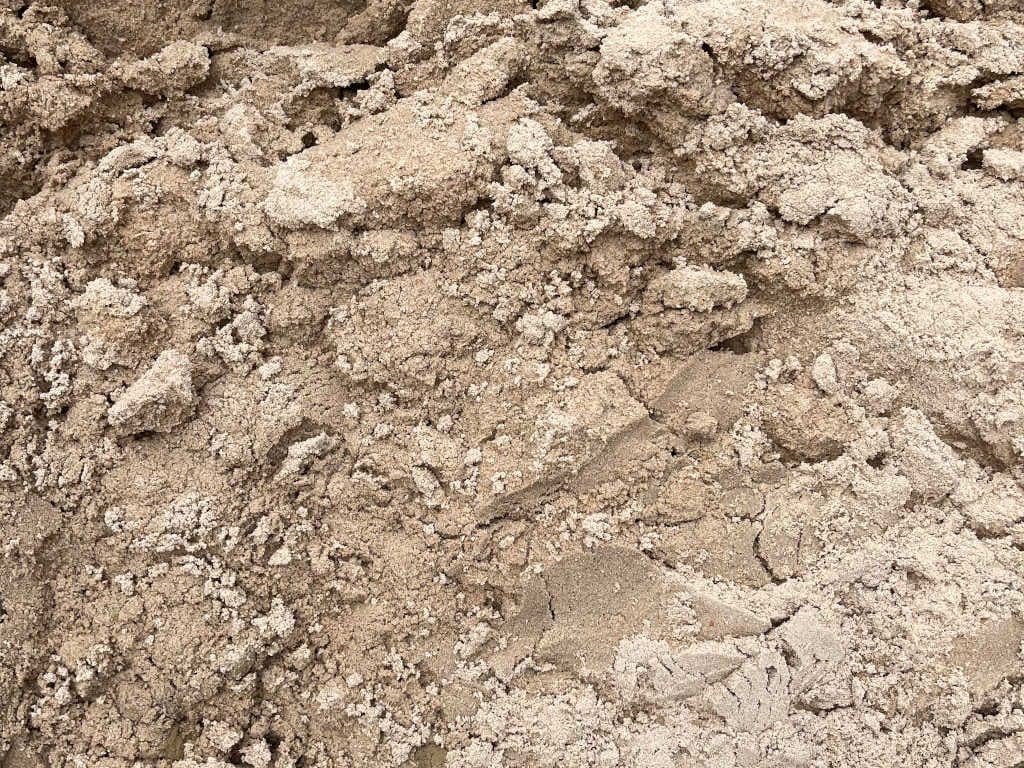
For a paving base, you generally want Concrete Sand (also known as sharp sand or coarse sand). The angular particles lock together well when compacted, providing a stable surface.
Brick Sand (or fatty sand) has a higher clay content. While this makes it "sticky" and perfect for mortar, it can wash away or shift under pavers, leading to instability.
2. The Role of Crushed Rock
Before you even lay sand, you need a sub-base. We recommend 75-100mm of compacted crushed rock (Class 2). This provides the structural strength. The sand layer on top should only be about 30mm thick—just enough to bed the pavers.
3. Gap Sand / Paving Sand
Once your pavers are laid, you need to lock them in. For this, we recommend specialized Paving Gap Sand or fine washed sand swept into the joints. For high-traffic areas, consider a polymeric sand that hardens when watered.
Need advice on quantities? Measure your area (Length x Width) and give us a call at the yard. We can calculate exactly how much crushed rock and sand you'll need.